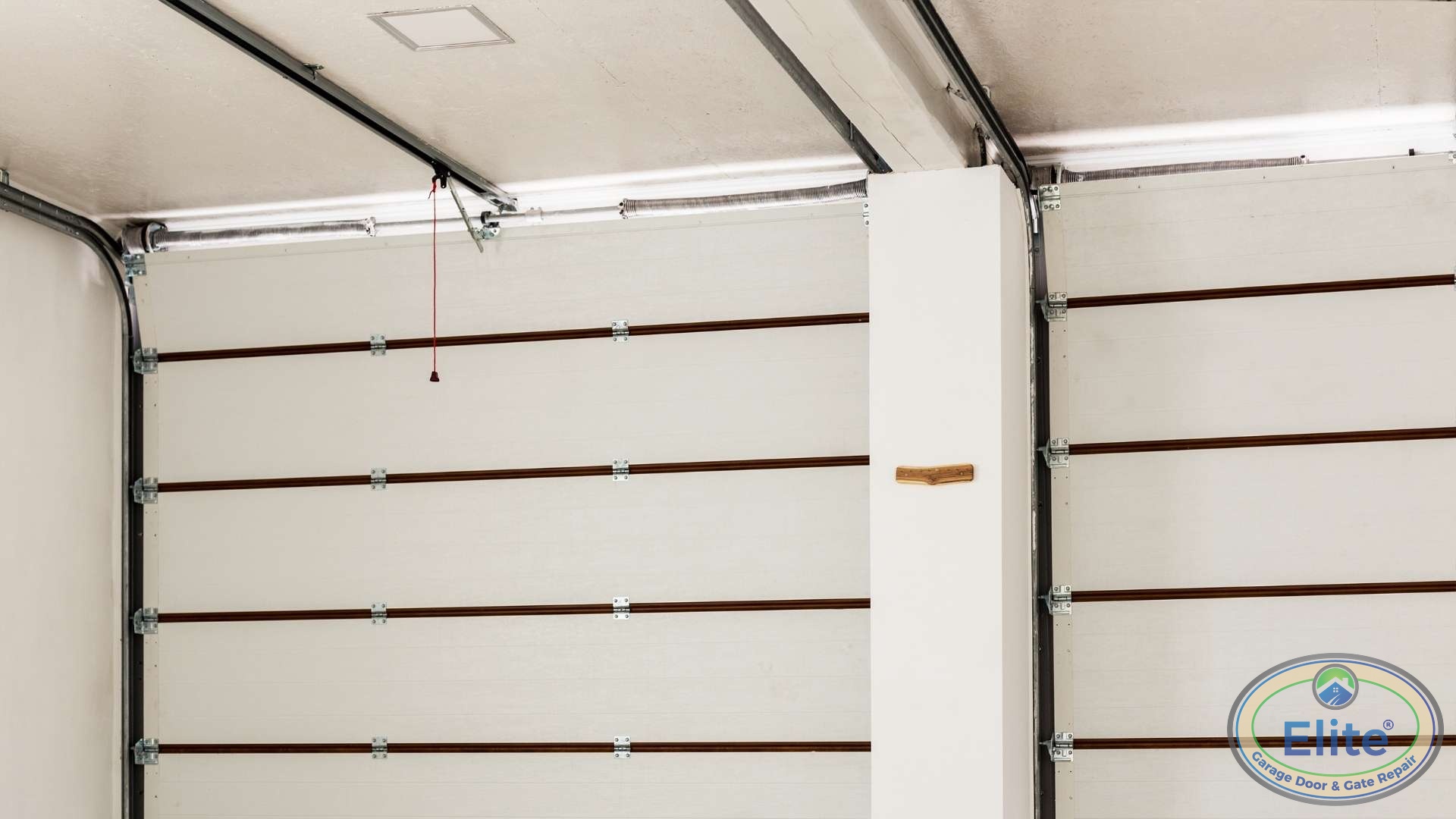

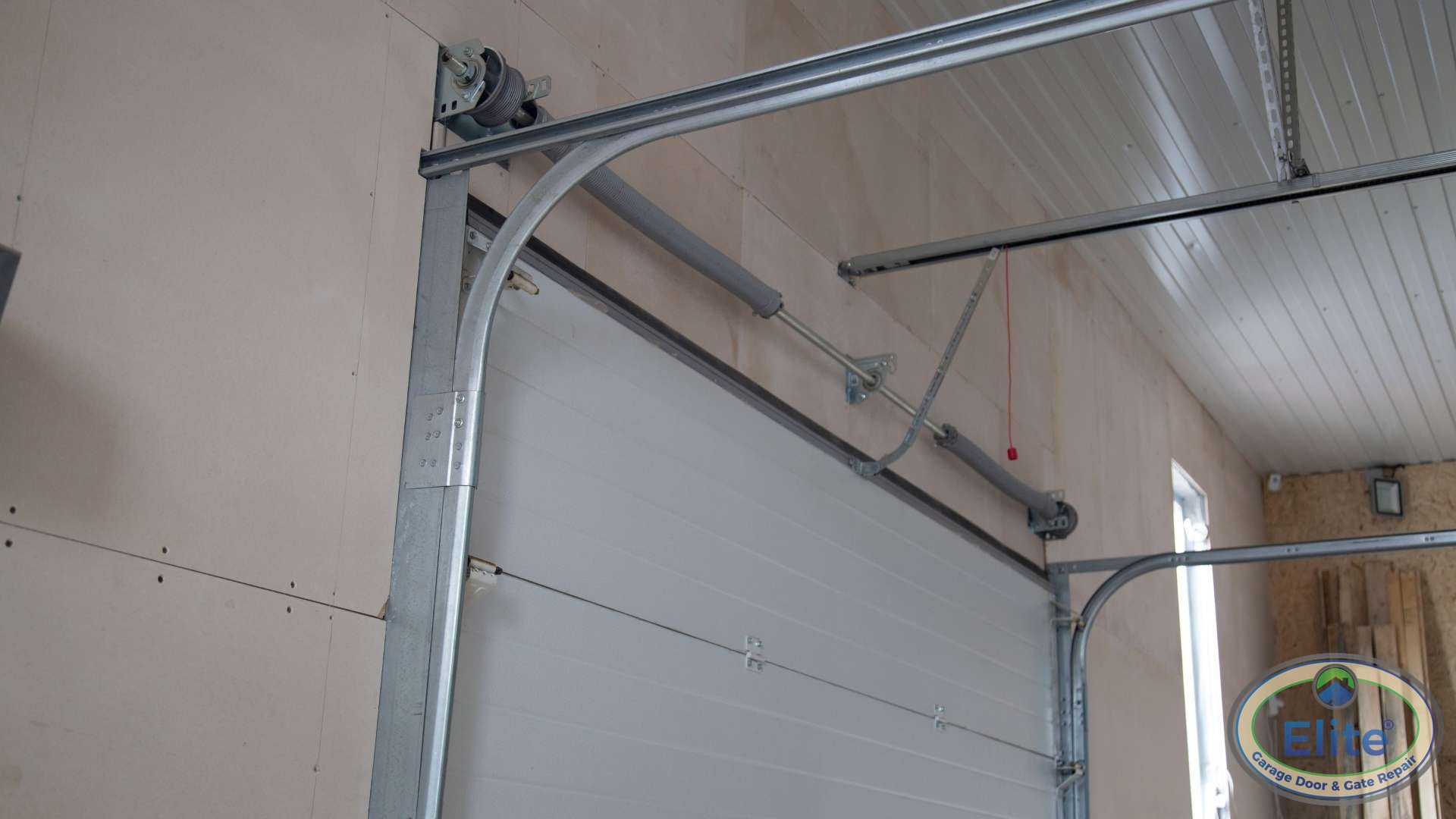
I get more calls about broken garage door springs in the early morning hours than any other time of day. If you’ve ever wondered why your garage door spring decided to snap right when you’re trying to get to work, you’re not alone. This morning failure pattern is actually rooted in basic physics and the unique climate conditions we experience here in the Pacific Northwest.
After years of serving Tacoma homeowners, I’ve seen this pattern repeat itself countless times. Let me explain what’s happening and why that first morning operation is so critical.
Table of Contents
Why Do Garage Door Springs Break More Often in the Morning?
Garage door springs break more frequently in the morning because metal contracts in cold temperatures overnight, making the springs more brittle and vulnerable to failure during that first operation of the day. When you press the opener button, the cold, contracted spring must suddenly bear the full weight of your door, and this stress often causes a weakened spring to snap.
Think of it like bending a cold piece of metal versus a warm one. The cold metal is far more likely to fracture under stress.
How Temperature Affects Your Garage Door Springs
Here in Tacoma and throughout Pierce County, our overnight temperatures regularly drop into the 30s and 40s, especially during fall and winter. Your garage isn’t climate controlled, so the metal components cool down significantly by morning.

When metal cools, it contracts and becomes less flexible. A Garage Door Spring that’s been sitting in a 40-degree garage all night is substantially more rigid than one that’s been cycling throughout the day when temperatures are warmer.
That first morning lift puts maximum stress on cold, inflexible metal. If your spring already has thousands of cycles on it and microscopic cracks from normal wear, this is often the moment it finally gives out.
The Cycle Count Factor
Most residential garage door springs are rated for 10,000 to 15,000 cycles. If you open your door four times daily, that’s roughly 7 to 10 years of life expectancy.
As springs approach their cycle limit, they develop metal fatigue. These weakened springs can handle normal daytime operations when the metal is more pliable, but that cold morning stress is often the breaking point. I’ve replaced countless springs in West Tacoma and North End neighborhoods where homeowners heard that distinctive loud bang right at 7 AM.
What You Can Hear and See
A breaking spring makes a sound you won’t forget. It’s like a gunshot or firecracker going off in your garage.
If your spring breaks, you’ll notice your door won’t open more than a few inches, or your opener motor runs but the door doesn’t move. Never force it. A broken spring means the full weight of your door (often 150 to 200 pounds) is unsupported, making operation dangerous. Learn more about When Garage Door Springs Break and how to respond safely.
Protect Your Home With Professional Spring Inspection
Our team at Elite Garage Door & Gate Repair Of Tacoma recommends annual spring inspections, especially before Washington’s wet, cold season arrives. We can identify springs approaching failure and replace them before you’re stuck in the garage on a Monday morning.
If you hear your door struggling or notice it opening unevenly, don’t wait for that morning snap. Call us today for a professional assessment, and while you’re planning upgrades, check out our Door Designer to explore replacement options. We’ve helped thousands of Tacoma homeowners avoid the morning garage door emergency, and just as Garage Door Sensors Play A Crucial Role In Home Security, maintaining your springs is essential for safe operation, and we’re here to help you too.