
After years of helping Tacoma homeowners reduce their heating costs, I’ve seen firsthand how much energy escapes through poorly maintained garage doors. Your garage door isn’t just an entry point. It’s one of the largest openings in your home’s thermal envelope, and it can significantly impact your monthly utility bills.
At Elite Garage Door & Gate Repair Of Tacoma, we regularly help families cut their energy waste by addressing garage door inefficiencies. Let me share what I’ve learned from working with hundreds of homes across Pierce County.
Table of Contents
How Much Energy Actually Escapes Through Your Garage Door?
An uninsulated or damaged garage door can account for 15 to 30 percent of your home’s heat loss during our wet Pacific Northwest winters. That’s a substantial amount, especially when you consider how often temperatures drop and the rain keeps rolling in.
If your garage shares a wall with your living space, which many Tacoma homes do, this heat loss directly affects your comfort. I’ve measured temperature differences of 20 degrees or more between insulated and uninsulated garages during cold snaps.
What Makes a Garage Door Energy Efficient?
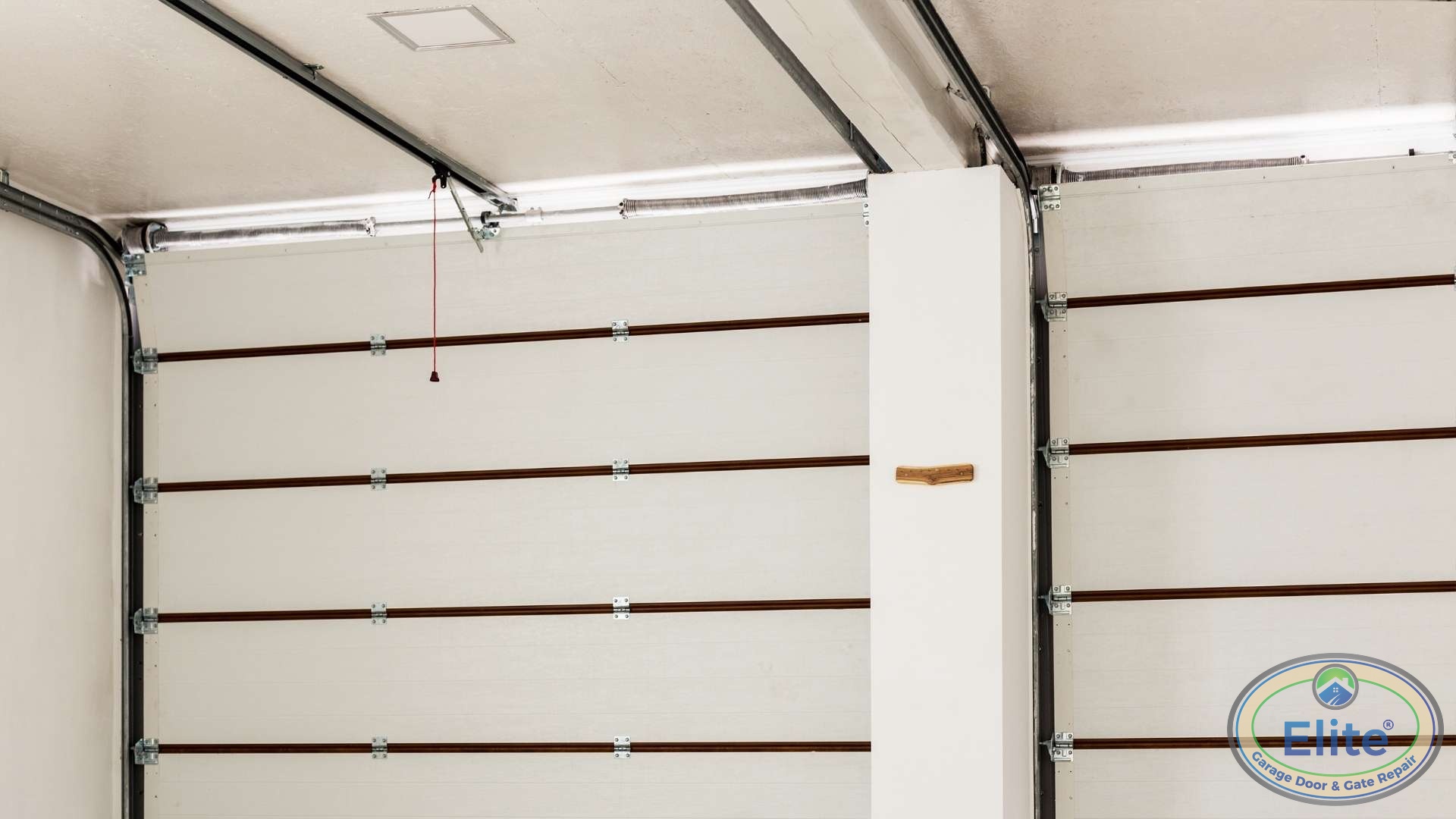
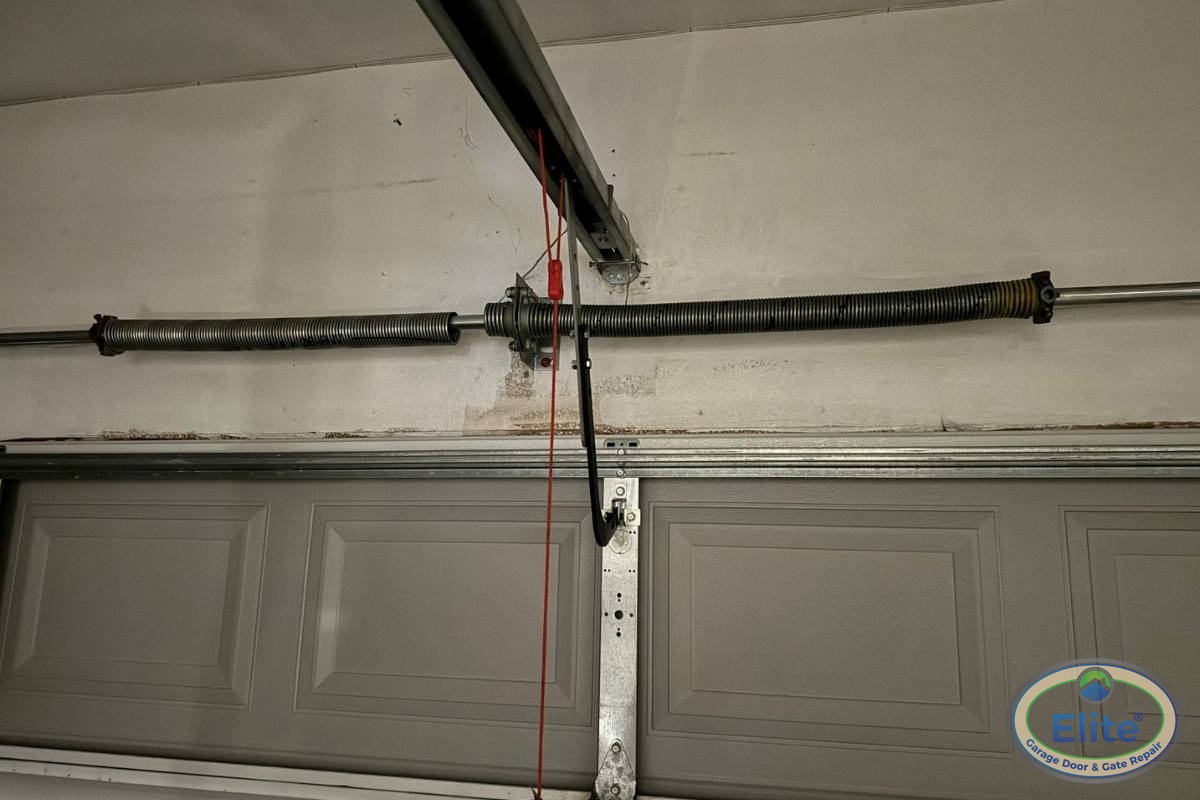
Three key factors determine your garage door’s energy performance: insulation value, weather sealing, and overall condition. The insulation, measured by R-value, provides a thermal barrier between outside conditions and your garage interior.
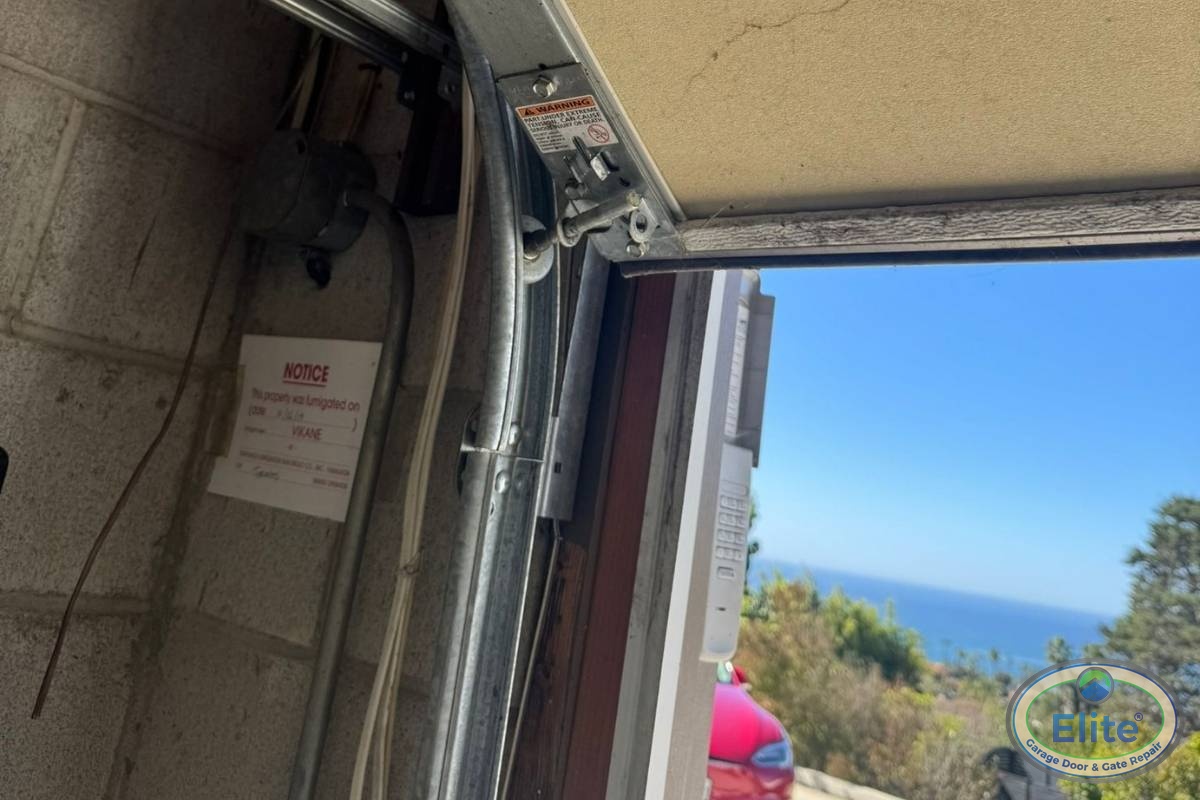
Weather stripping along all four sides creates an airtight seal that blocks drafts and moisture. I replace worn weather seals on at least half the service calls I run in Washington because our damp climate degrades them faster than in drier regions.
Finally, structural integrity matters. Warped panels, gaps, and damaged sections create air leaks that waste energy regardless of your door’s R-value, which is why proper Garage Door Safety and maintenance are essential.
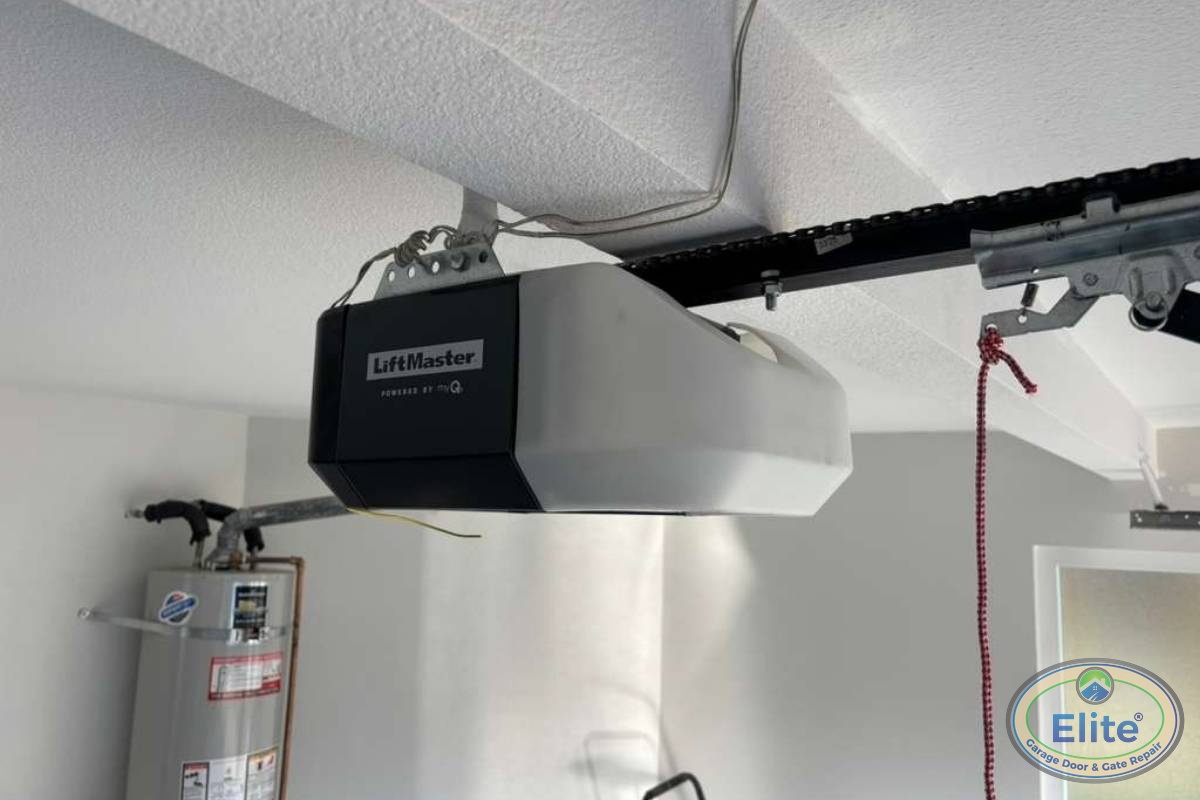
Should You Upgrade to an Insulated Garage Door?
Yes, if your garage is attached to your home or you use it as workspace. Insulated doors typically offer R-values between 12 and 20, compared to zero for uninsulated steel doors.
Our Tacoma clients with heated garages or bonus rooms above their garages see the biggest savings. One family in West Tacoma reported a 20 percent reduction in heating costs after we installed a properly insulated door with fresh weather sealing.
The upfront cost pays itself back through lower utility bills, usually within five to seven years based on what we’ve tracked with our customers. If you’re considering an upgrade, learn more about Understanding The Costs Of New Garage Doors to make an informed decision.
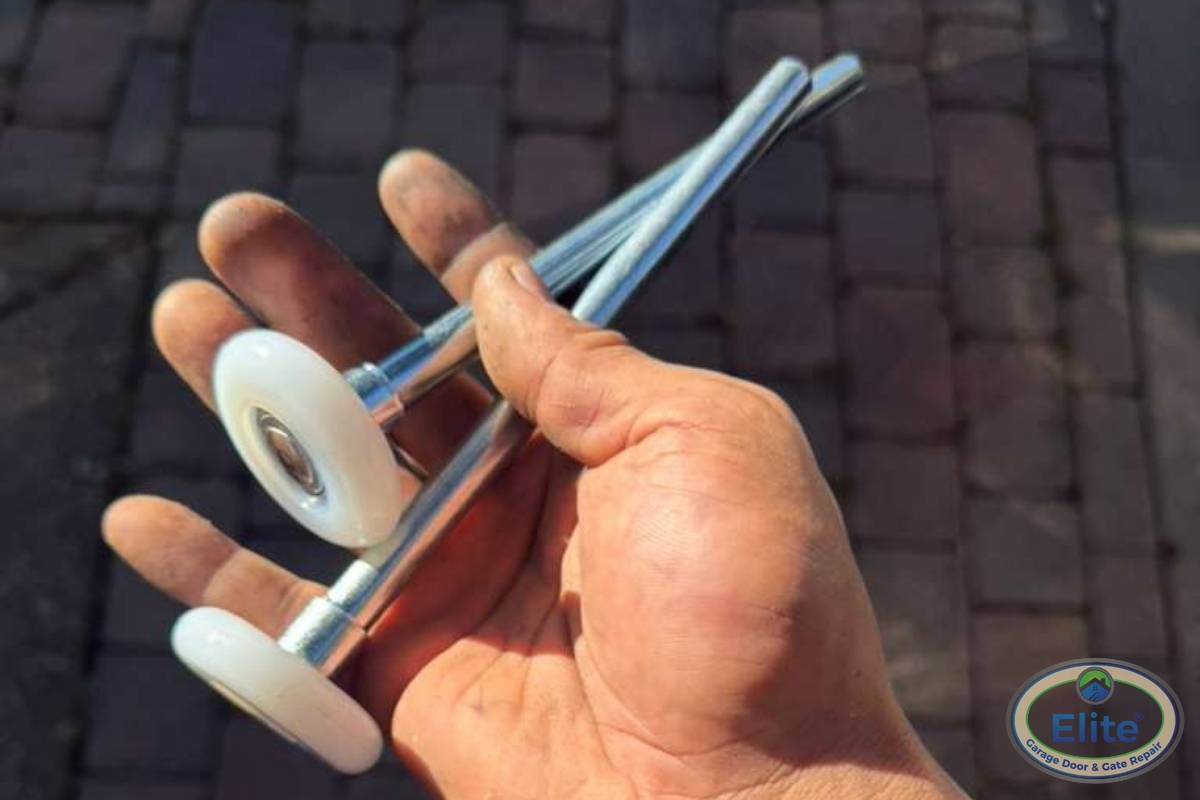
Simple Maintenance That Stops Energy Waste
You don’t always need a new door to improve efficiency. Regular maintenance catches problems before they become expensive.
- Inspect weather stripping twice yearly and replace if cracked or compressed
- Check for gaps or daylight visible around the door’s perimeter when closed
- Tighten loose panels and hardware that create air leaks
- Clean tracks and lubricate moving parts to ensure a tight seal when closing
- Test the door’s balance to prevent uneven closing that leaves gaps
Modern Garage Door Sensors can also help maintain optimal efficiency by ensuring your door closes completely every time.
Professional Help Makes the Difference
We’ve helped countless homeowners improve their garage door’s energy performance through targeted repairs and upgrades. Our team at Elite Garage Door & Gate Repair Of Tacoma can assess your current door’s efficiency and recommend cost-effective solutions tailored to your home, including New Garage Doors when replacement is the best option.
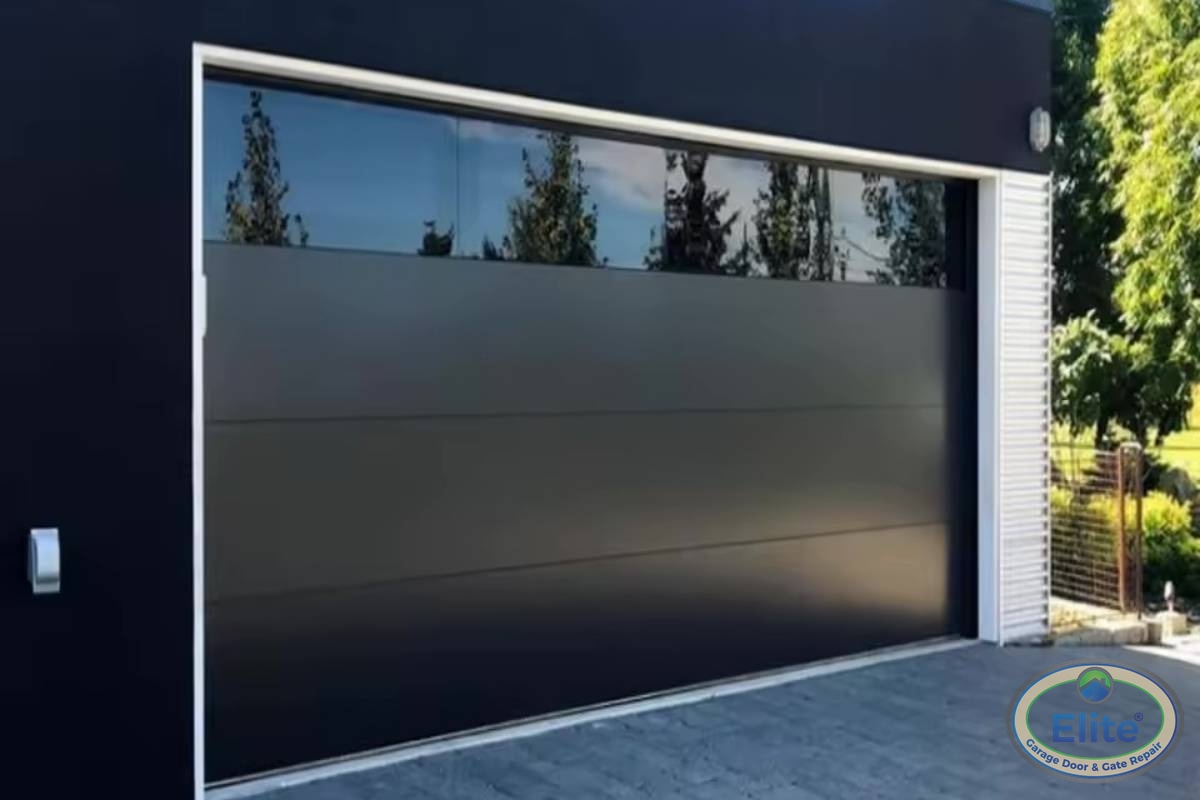
Don’t let energy dollars escape through your garage. Contact us today for a thorough inspection and honest advice about maximizing your garage door’s efficiency.