
After years of servicing garage doors across Tacoma, I’ve walked into hundreds of garage workshops. Some impress me with their thoughtful safety features, while others make me nervous just standing in them. If you’re planning to turn your garage into a workshop, the decisions you make now can prevent serious injuries later.
I’ve seen too many close calls in Pierce County garages where homeowners overlooked basic safety features. Here’s what I’ve learned from working in this field and setting up workshops throughout the Pacific Northwest.
Table of Contents
Will Your Garage Door Handle Workshop Traffic?
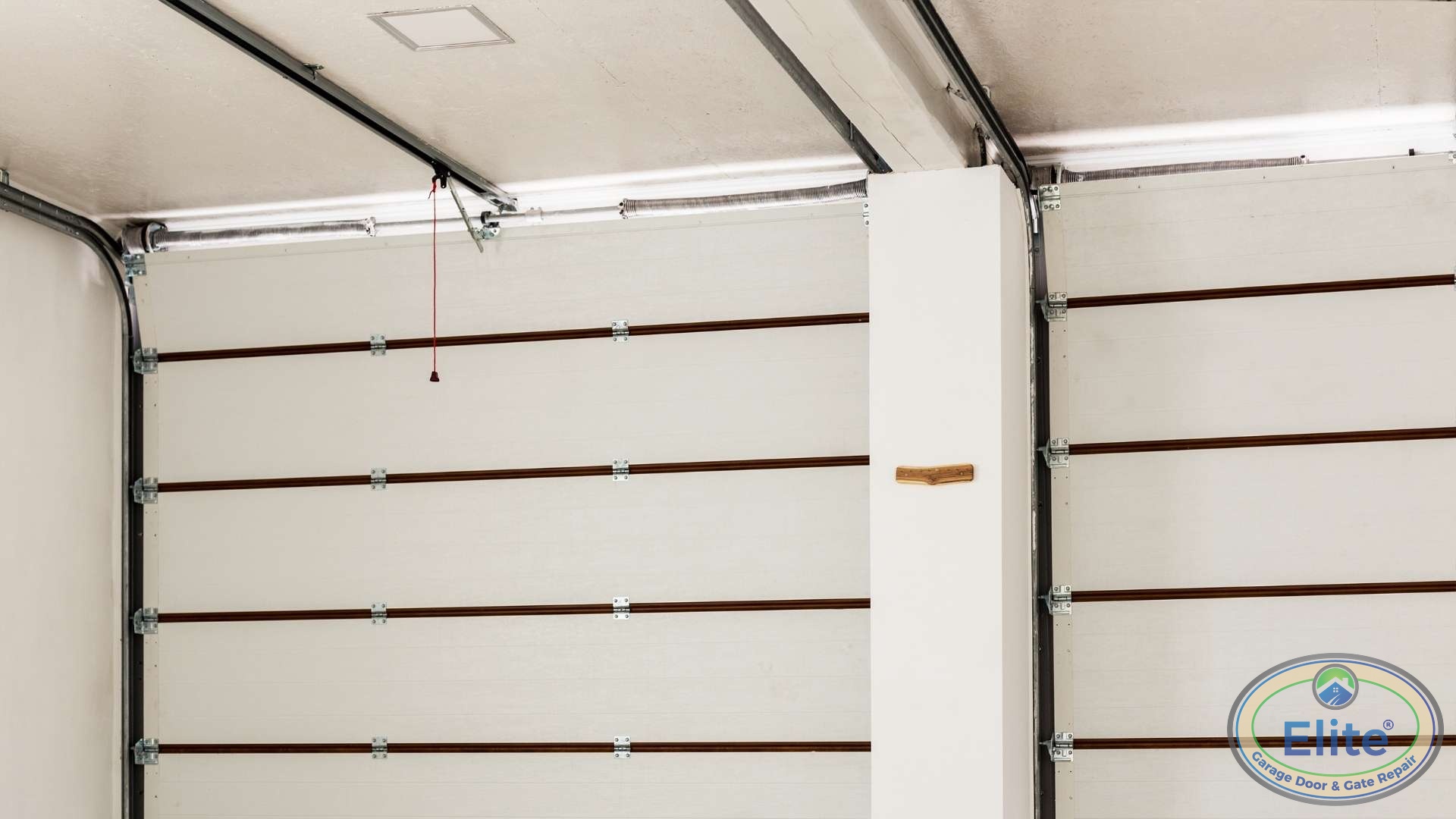
Your garage door will become the primary entry point for materials, tools, and finished projects. I recommend inspecting it now, before you start moving heavy equipment in and out daily.
Check that your door balances properly and doesn’t strain when opening. A door that struggles now will fail when you’re carrying expensive lumber or machinery. We test garage door balance regularly in Tacoma workshops, and I can tell you that Replacing Worn Garage Door Parts early saves money and prevents accidents.
Essential Electrical Safety for Workshop Spaces
Most garages weren’t designed for the electrical demands of power tools. You’ll likely need dedicated 20-amp circuits for major equipment, plus plenty of grounded outlets around your workspace.
Never rely on extension cords as permanent solutions. I’ve responded to service calls in West Tacoma where garage fires started from overloaded circuits. Hire a licensed electrician to assess your current setup and add capacity where needed.
Install GFCI outlets near any area where moisture might be present. Washington’s rainy climate means garages stay damp, and GFCI protection prevents electrical shock when operating tools. Having a properly equipped garage workspace also provides the benefits of Parking Your Vehicle In A Garage when not in use for projects.
Ventilation Matters More Than You Think
Poor ventilation turns your workshop into a hazard zone. Sawdust, paint fumes, and other airborne particles need somewhere to go.
I always recommend adding an exhaust fan that vents outside, not into your attic or living space. Position it opposite your main air intake to create cross-ventilation. In our mild Tacoma climate, you can often work with the garage door partially open, but you need mechanical ventilation for finishing work and cold days.
Physical Safety Features That Prevent Injuries
Install bright LED lighting throughout the space. Shadows hide hazards and cause mistakes with power tools. I use 4,000 to 5,000 lumens minimum for workshop spaces.
Keep a fire extinguisher rated for electrical and chemical fires within easy reach. Mount it near the exit, not in a back corner where you might get trapped. If you have pets that frequent the workshop space, consider Installing A Pet Door In Your Garage Door for their safe access.
Create clear pathways between work stations. Cluttered floors cause trips and falls, especially when carrying materials or operating equipment.
Let Our Team Help You Start Safely
Before you invest in expensive tools and equipment, make sure your garage foundation is solid. Our team at Elite Garage Door & Gate Repair Of Tacoma can inspect your door system, check safety sensors, and ensure your workspace entry is reliable and secure.
We’ve helped dozens of Tacoma homeowners prepare their garages for workshop conversions. Call us for a Garage Door Safety assessment, and we’ll make sure your garage door won’t become the weak link in your new workspace.