
I get calls about this issue almost daily at Elite Garage Door & Gate Repair Of Tacoma. Your garage door starts closing, then suddenly reverses back up before it even touches the ground. It’s frustrating, and I completely understand why homeowners want answers fast.
The good news is that this auto-reverse feature is actually a Garage Door Safety mechanism working exactly as designed. The challenge is figuring out what’s triggering it when nothing seems to be in the way.
Table of Contents
What Triggers the Auto-Reverse Safety Feature?
Your garage door opener is equipped with safety sensors that force the door to reverse if they detect an obstruction. These sensors became mandatory in all automatic garage door openers to prevent injuries and property damage.
When your door reverses unexpectedly, something is either blocking the sensors or making them think there’s an obstruction. After years of servicing homes throughout Tacoma and Pierce County, I’ve identified the most common culprits.
Misaligned or Dirty Safety Sensors
The photo-eye sensors sit on either side of your garage door opening, about six inches off the ground. They send an invisible beam across the doorway, and if anything breaks that beam, your door reverses.
Here’s what I check first: Are the sensors pointing directly at each other? Even a slight bump from a lawn mower, bike, or storage bin can knock them out of alignment. You’ll usually see a blinking light on one or both sensors when they’re misaligned.
In our rainy Pacific Northwest climate, I also frequently find dirt, cobwebs, or water droplets covering the sensor lenses. A quick wipe with a clean cloth often solves the problem instantly.
Obstructions in the Door’s Path
Sometimes the issue isn’t the sensors at all. I’ve found toys, tools, leaves, and even small rocks sitting right in the door’s track path. The door’s bottom edge hits the object and automatically reverses to prevent damage.
Check your garage floor carefully. Also inspect the vertical tracks on both sides for any debris or objects that might catch the door rollers as they descend.
Incorrect Close-Limit Settings
Your garage door opener has adjustable settings that tell it when the door has fully closed. If the close-limit is set incorrectly, the opener thinks the door has hit an obstruction when it reaches the floor, causing it to reverse.
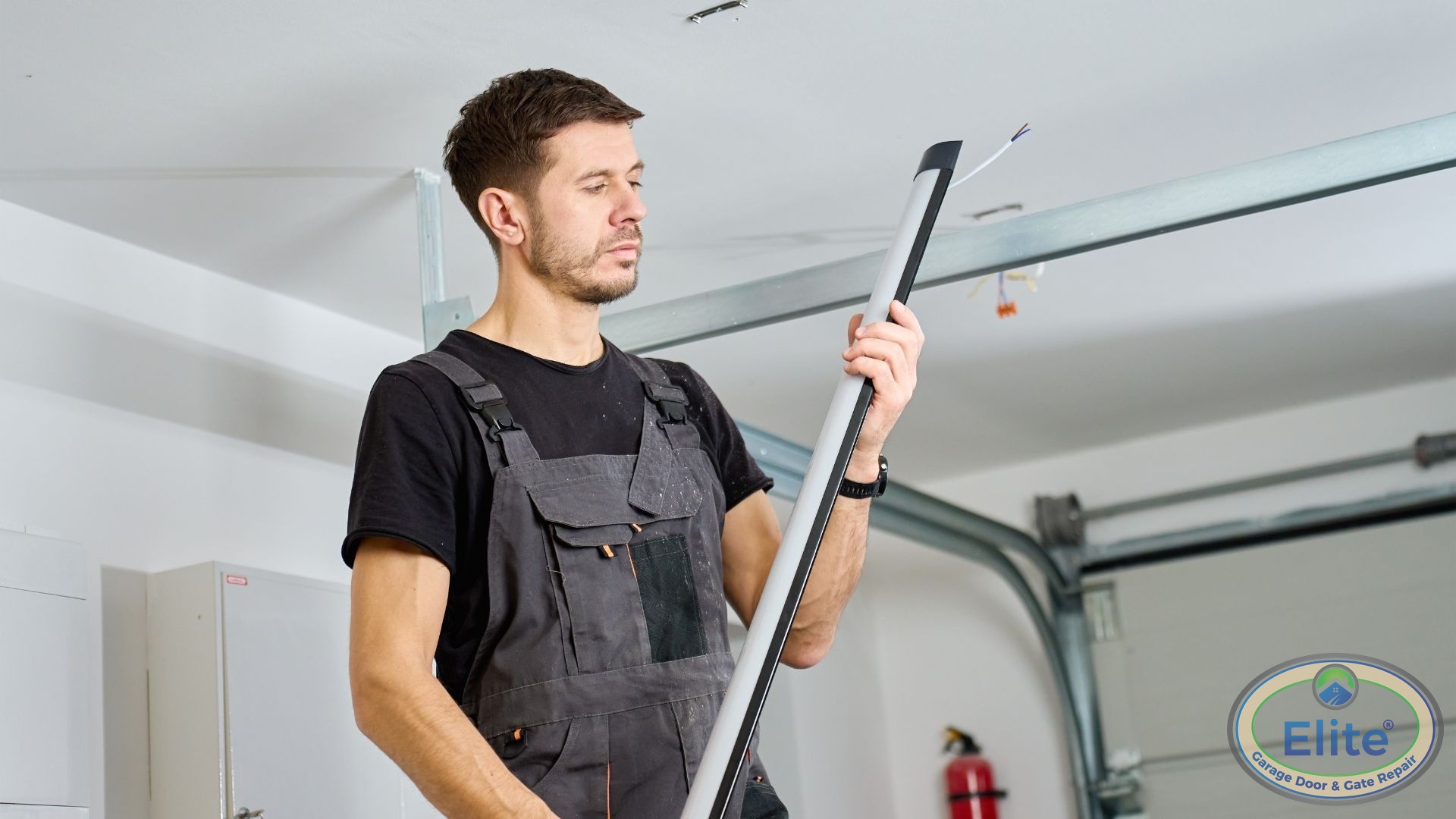
This requires adjustment on the opener unit itself. I typically see this problem after someone has replaced an opener or after a power surge has reset the settings.
Track or Hardware Problems
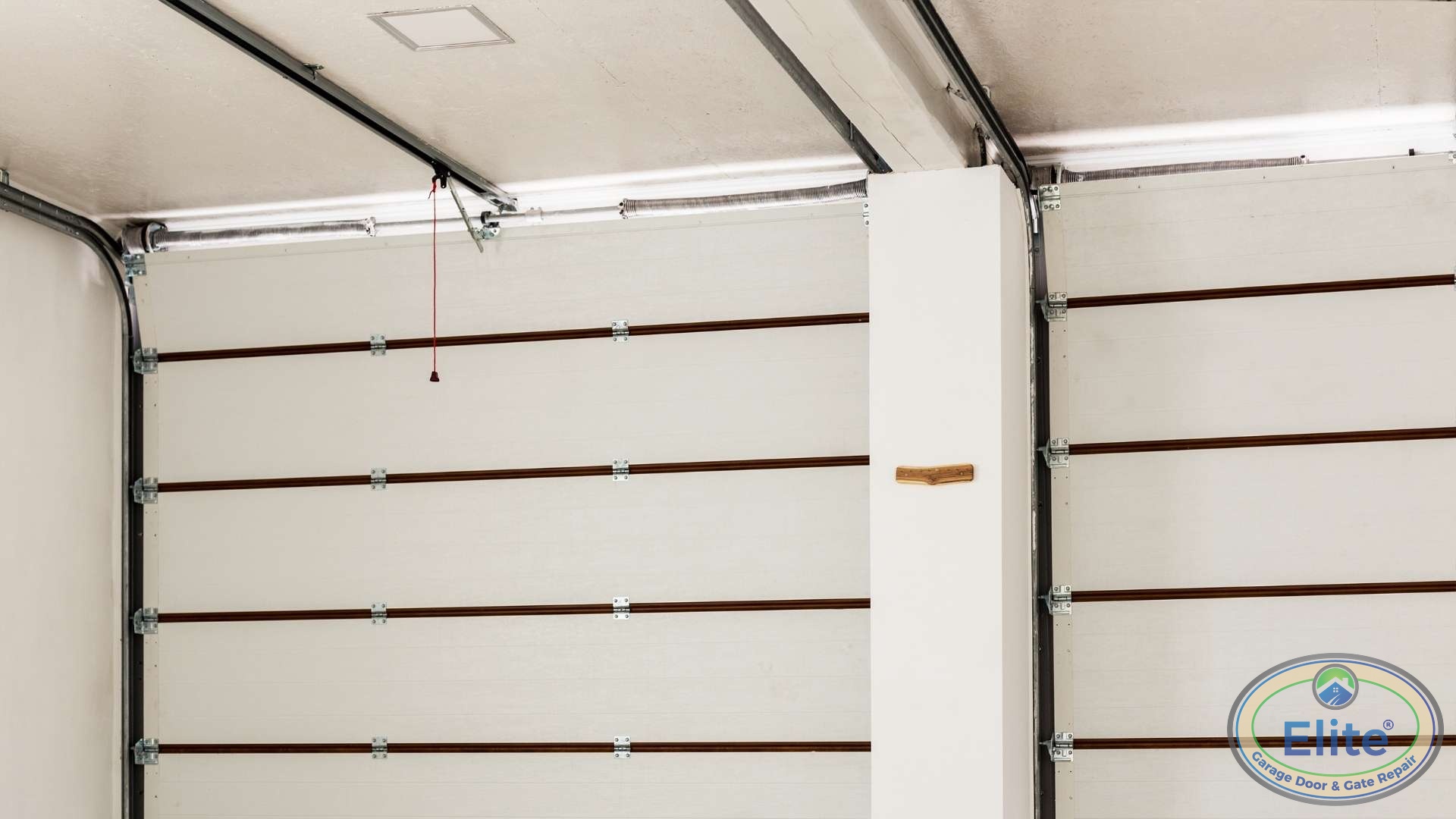
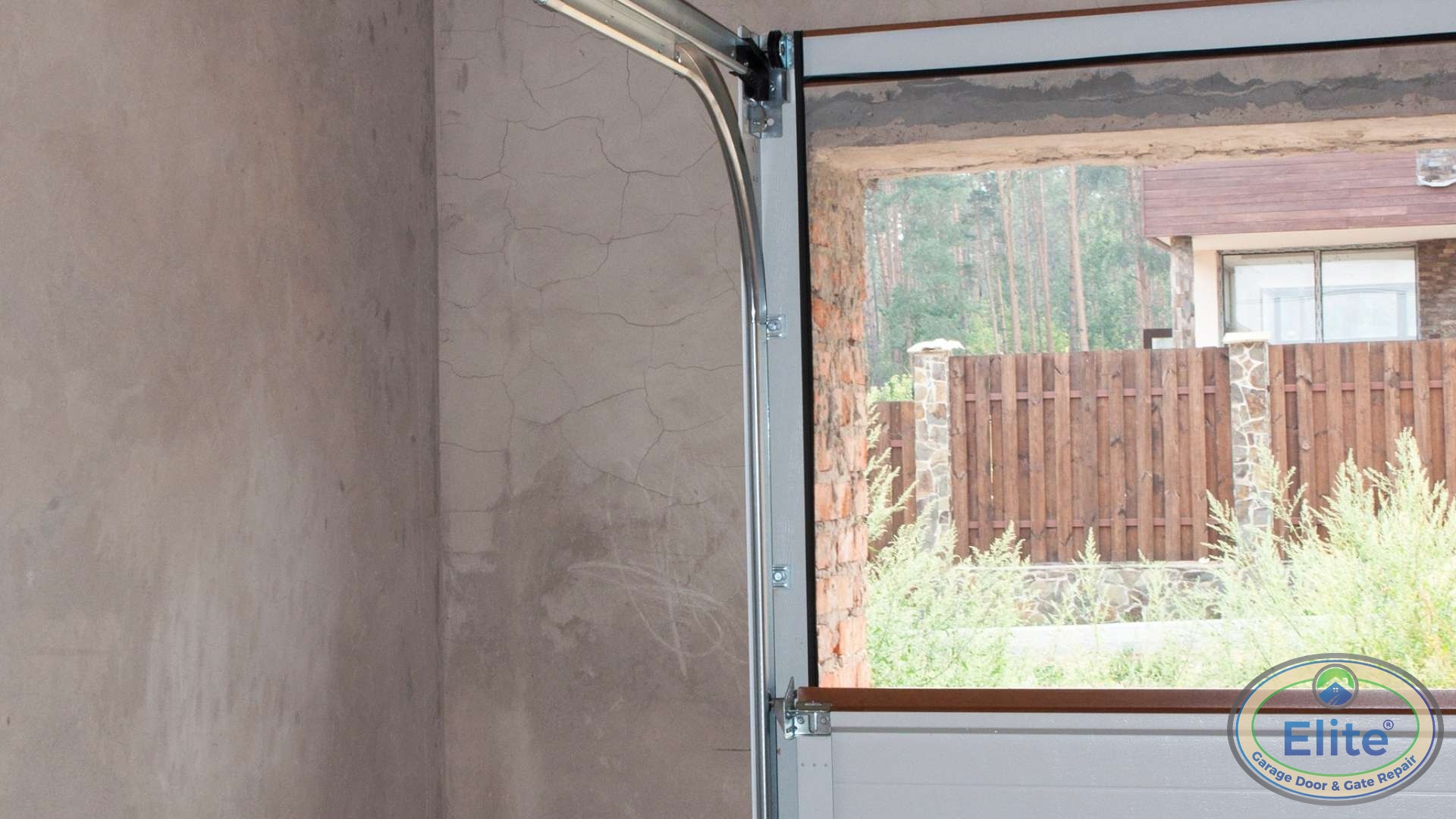
Bent tracks, worn rollers, or broken hinges can cause binding as the door closes. The opener senses this resistance and reverses to protect the motor and door from damage.
During my service calls in neighborhoods like West Tacoma and Ballard, I regularly find track issues that homeowners didn’t even know existed. The door might close manually with some effort, but the automatic opener is more sensitive to resistance. If you’re also experiencing unusual sounds during operation, check out our guide on Noise Troubles And How To Fix Your Garage Door.
Get Expert Help for Your Reversing Garage Door
While checking sensors and clearing obstructions are safe DIY tasks, adjusting limits or repairing tracks requires professional expertise. If you’ve tried the simple fixes and your door still reverses, our team at Elite Garage Door & Gate Repair Of Tacoma is ready to diagnose and solve the problem quickly. Understanding the various components involved can help you communicate the issue better, so take a look at our resource on Understanding Your Automatic Garage Door Parts And Terminology.
We’ve been helping Washington homeowners with these exact issues for years. Whether you need Garage Door Parts replaced or a complete system adjustment, give us a call, and we’ll have your garage door closing properly again.